
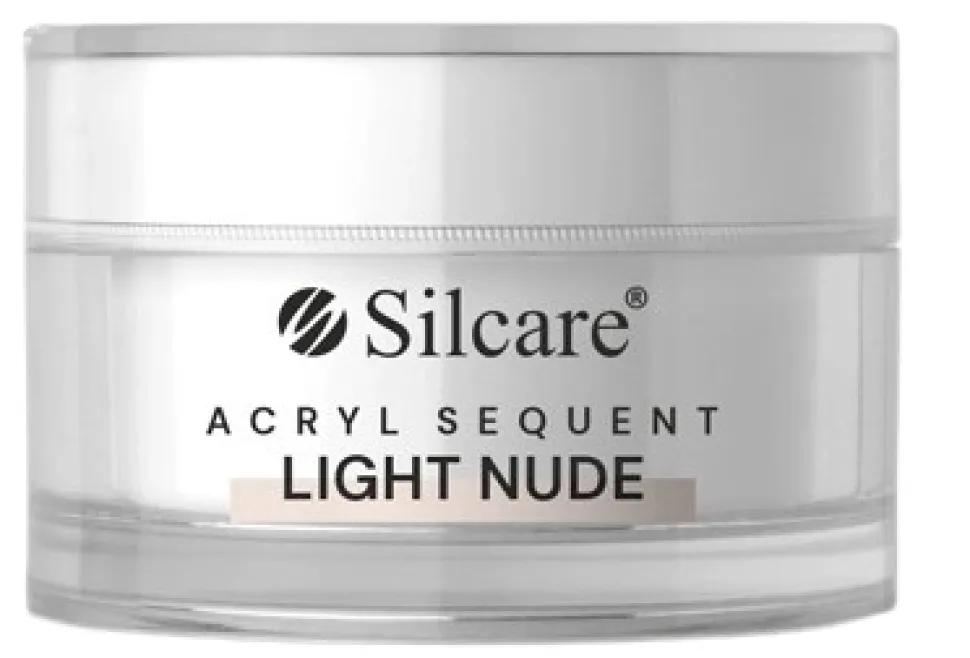
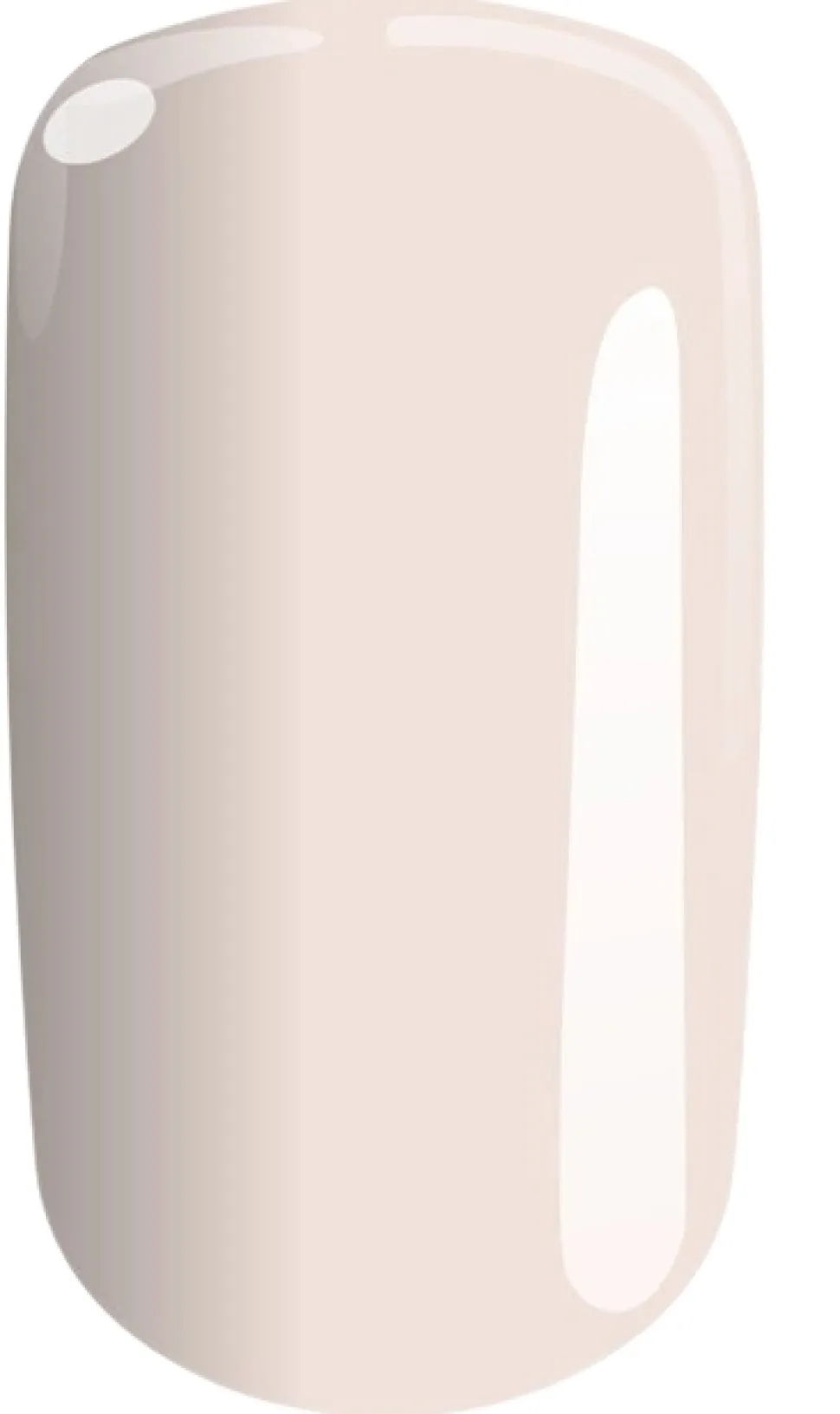
Acryl für Nägel ohne HEMA und TPO
6,79 €
Alter: 18+
Volumen / Gewicht: 10 g
Klassifikation: Massenmarkt
Country TM: Polen
Herkunftsland: Polen
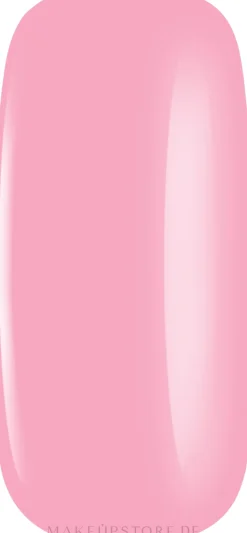
Sequent Acrylfarben sind ideal zum Modellieren, Retuschieren und Ausgleichen von Unebenheiten. Sie lassen sich leicht auftragen und verarbeiten, was sie sowohl für erfahrene Künstler als auch für Anfänger geeignet macht.
Die Acryl-Nagelverlängerung ist eine Technik, bei der Acrylpulver (Polymer) mit Acrylflüssigkeit (Monomer) kombiniert wird. Diese Methode wird wegen ihrer einzigartigen Eigenschaften, der einfachen Erstellung von Nagelkunst und der erzielten Effekte hoch geschätzt und häufig in Nagelkunstwettbewerben eingesetzt. Mit einer breiten Farbpalette, pigmentierten Basis, verschiedenen Deckkraftstufen und Zusätzen ermöglicht sie die Kreation der originellsten Dekorationen, wie abstrakte oder Glasmalereimotive, Reliefs, dreidimensionale Designs, dekorative Effekte und sogar kleine Figuren.
Im Nageldesign ist ein entscheidender technischer Aspekt der Acrylmethode das korrekte Mischverhältnis von Monomer zu Polymer – nicht nur, um die Aushärtezeit zu gewährleisten, sondern auch, um das gewünschte Ergebnis und die Haltbarkeit des Nageldesigns zu erreichen. Das Verhältnis kann während des Designprozesses je nach gewünschtem Effekt leicht angepasst werden. Beispielsweise ermöglicht eine dünnere Kugel das Erstellen von Designs in einer malerischen Technik, das Mischen von Hintergründen oder das Gestalten von Designelementen mit scharfen Konturen. Ein wesentlicher Vorteil dieser Methode ist nicht nur das Fehlen zusätzlicher Ausrüstung wie UV-Lampen oder die Zeit für das Entfernen der Dispersionsschicht, sondern auch die Möglichkeit, während des Polymerisationsprozesses mit dem Material zu arbeiten.
1. Sanitize both your hands and the client’s hands with a disinfectant.
2. Gently push back the cuticle using a wooden stick. Select the appropriate tip shape and size for the nail.
3. Apply a small amount of glue and spread it evenly over the concave surface of the tip. Attach from the bottom up, ensuring no air bubbles form underneath. Remove any excess glue.
4. Trim the tip to the desired length. Use a file to shape the nail.
5. Smooth the transition between the tip and the natural nail with a file, taking care not to damage the natural nail. Use a brush to remove dust.
6. Use a buffing block to matte all visible areas of the tip.
7. Remove dust and degrease. Wait a minute for the degreaser to evaporate. Then, apply primer to the entire nail.
8. Pour liquid into a container. Carefully wet the brush and dip it into the acrylic to form a bead. Place the bead on the nail and shape the white tip. Repeat with pink or clear acrylic to form the rest of the nail.
9. Once dry, file the nail to the desired shape. If forms were used instead of tips, remove them.
10. Polish the nails to a shine using a buffing block. You can also use a finish polish, gel finish, or UV coat. A UV lamp is required for gel application. Finally, apply cuticle oil.
| Size | 10 g |
|---|
Schreibe die erste Rezension für „Acryl für Nägel ohne HEMA und TPO“
Ähnliche Produkte
Bronzante
Make-Up
Künstliche Nägel
Make-Up

Make-Up

Augen
Make-Up
Augenbrauen

Augen
Make-Up

Rezensionen
Es gibt noch keine Rezensionen.